
Relief. Recover. Resilience.
Doctor means "teacher." So firstly, chiropractors are teachers of your health and wellbeing.
Chiropractic care is a safe, gentle, and non-invasive way to help your body move and function at its best. Research now shows chiropractic care can have whole-body effects by supporting the connection between the brain, nervous system, and body. When the spine moves well and stress on the nervous system is reduced, that communication can work more clearly.
For children, chiropractic can support healthy posture and development as their bodies grow. Adults often seek care to ease tension and recover from the stresses of daily life, while older adults benefit from support for mobility, balance, and comfort.
The goal is simple: help you move better, feel better, and live life more fully.
Chiropractic

Spinal Adjustment
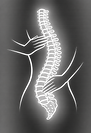
Spinal adjustments are at the heart of chiropractic care and involve precise manipulation of the vertebrae that have abnormal movement patterns or fail to function normally. Chiropractic means "done by hand." Trained chiropractors use their hands or a small instrument to apply a controlled, sudden force to a spinal joint, aiming to improve spinal motion and improve your body’s physical function. This traditional chiropractic treatment is essential for alleviating back pain, neck pain, or other symptoms, promoting overall wellness.
Dry Needling

Dry needling uses a very thin, sterile monofilament needle placed into muscles, fascia, scar tissue, or near irritated nerves. This gentle stimulation helps release tight muscle fibers, break up scar tissue, calm irritated nerves, and guide the body’s natural healing response. In some cases, electrotherapy may be added to lightly stimulate muscle contractions and enhance the effect.
During treatment, the body releases natural chemicals such as adenosine (ADP) that help promote relaxation and improve sleep. Tight or irritated tissues receive a fresh flow of oxygen-rich blood, helping restore a healthier tissue environment. As circulation improves, the body also increases the production and sensitivity of “feel-good” hormones, helping muscles relax and making it easier for the body to feel balanced and comfortable again.
Does it hurt? During relaxation sessions, people often fall asleep. It can be as light or aggressive as needed.